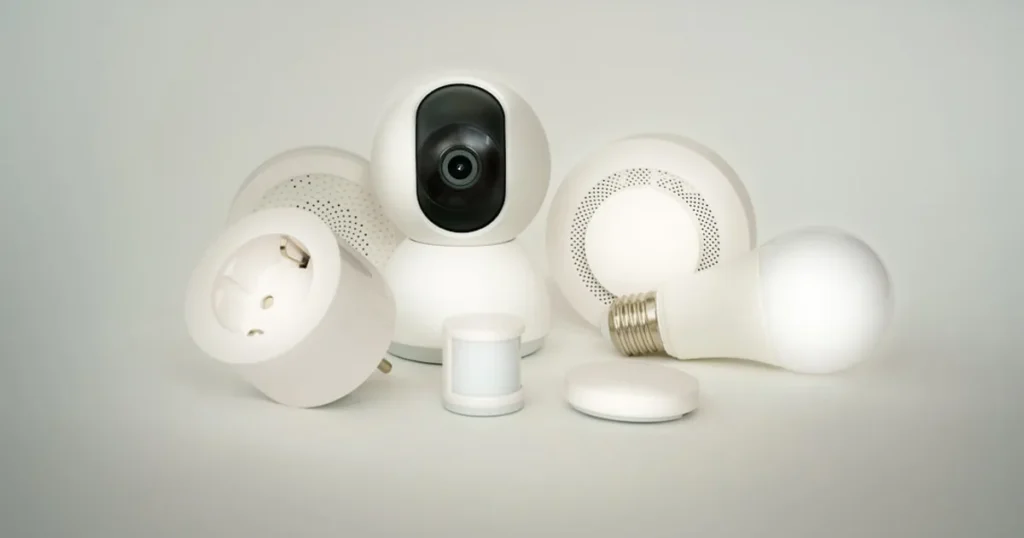
The honest answer: sometimes, in limited situations, for the right reasons — and never as a replacement for real cameras. I've seen both sides of this. A fake dome camera on a storefront deterred a shoplifter who later got arrested at another store (one with real cameras). I've also seen break-in footage where the guy walked right past three dummy cameras and hit the garage because there was nothing real to back them up.
Let me give you the unfiltered version.
What Fake Cameras Can and Can't Do
A fake camera can deter opportunistic criminals — the kind who do a quick visual scan before deciding to try a door. They see a dome camera, they move on to the next house. This is real and documented. Studies on retail crime consistently show that visible cameras (real or fake) reduce opportunistic theft by people who aren't experienced or motivated.
What fake cameras cannot do: deter determined criminals, provide evidence for police, trigger insurance claims, capture license plates, alert you when something happens, or help you identify anyone. They are 100% passive visual deterrents. Nothing more.
The problem is that the scenarios where you most need security — a repeat offender, someone who's cased your neighborhood, an actual break-in — are exactly the scenarios where a fake camera fails completely.
Who Sells These Things
Walk through Amazon and you'll find fake security cameras for $8-20. Most are plastic shells with a blinking LED that's supposed to look like a status indicator. Some have mock IR LEDs around a lens. The better ones (around $15-25) are weatherproof and look convincingly like Hikvision or Axis cameras.
I bought three different models to test. Two were clearly plastic at a distance of 15 feet — the pan mechanism wobbled visibly in wind and the housing didn't have the weight or mount profile of a real camera. One was genuinely convincing: a dome-style camera in a real metal housing that looked like a $200 commercial unit from 10 feet away.
That one convincing unit might actually work as a supplement. The cheap plastic ones? Anyone who installs cameras for a living can spot them instantly.
The "Warning Sign" Argument
Some people argue that even if criminals know the cameras are fake, the signs matter. "Property protected by 24-hour video surveillance" — even without real cameras — signals that someone is paying attention. There's some truth to this. Visible security measures, even symbolic ones, communicate that a target isn't completely unmonitored.
But I'd push back: a real sign is $8 and you don't need a fake camera to display it. ADT, SimpliSafe, and Ring all sell standalone yard signs. Get the sign. Skip the plastic camera.
When Fake Cameras Make a Limited Argument
Supplementing real cameras: If you have two real cameras covering your front and back, putting a fake in a visible but uncovered corner might deter someone from probing that angle. You're not relying on the fake — it's window dressing for someone who might be watching. This is the only scenario I find defensible.
Budget constraints — temporary use only: If you literally cannot afford a real camera right now and you want something visible in your window while you save up, fine. A $15 fake camera is better than nothing if your only alternative is nothing. But replace it with something real within 90 days.
Rental properties where tenants need to feel safer: Controversial, but some landlords do this. I can't ethically endorse it — if a tenant gets robbed and there was never real recording capability, you've deceived them about their security. Don't do this.
What Real Cameras Cost Now
The argument for fake cameras was stronger in 2015 when a basic real camera cost $150+. In 2026, a Wyze Cam v4 costs $36. A Blink Outdoor costs $60. A working, recording, motion-alerting, actual security camera is less than three fake cameras from Amazon. The economics no longer support fake cameras as a budget alternative.
For $36, you get:
- Actual 2.5K recordings
- Motion alerts to your phone
- Evidence usable by police
- Storage on microSD card (no subscription)
For $15, you get a plastic dome that sways in the wind and fools nobody who's done this before.
The Insurance Problem
Here's something nobody mentions: if you have a home security system and make an insurance claim, insurers may ask for footage. If you have no cameras — or fake cameras — you have no evidence. Real cameras have helped neighbors of mine with insurance claims after car break-ins and a fence dispute. Fake cameras provide zero documentation value.
Some insurers also offer discounts for monitored security systems. Fake cameras qualify for nothing.
My Call
Skip fake cameras. Spend the $15-20 you'd spend on a fake on a real Wyze camera instead. Top it up with another $20 and you're at a Blink camera with actual recording capability.
If someone has already broken in and you need to tell your family something is being done while you budget for real cameras — sure, put up a fake temporarily. But don't call it a security system and don't rely on it. You're buying yourself time, not safety.
A yard sign from a real security company is more cost-effective deterrence than a fake camera, and it doesn't suggest you have capabilities you don't.
Where to Buy
Affiliate links — if you buy through these links, I may earn a small commission at no extra cost to you.